utorak, 12. prosinca 2023.
ponedjeljak, 11. prosinca 2023.
nedjelja, 10. prosinca 2023.
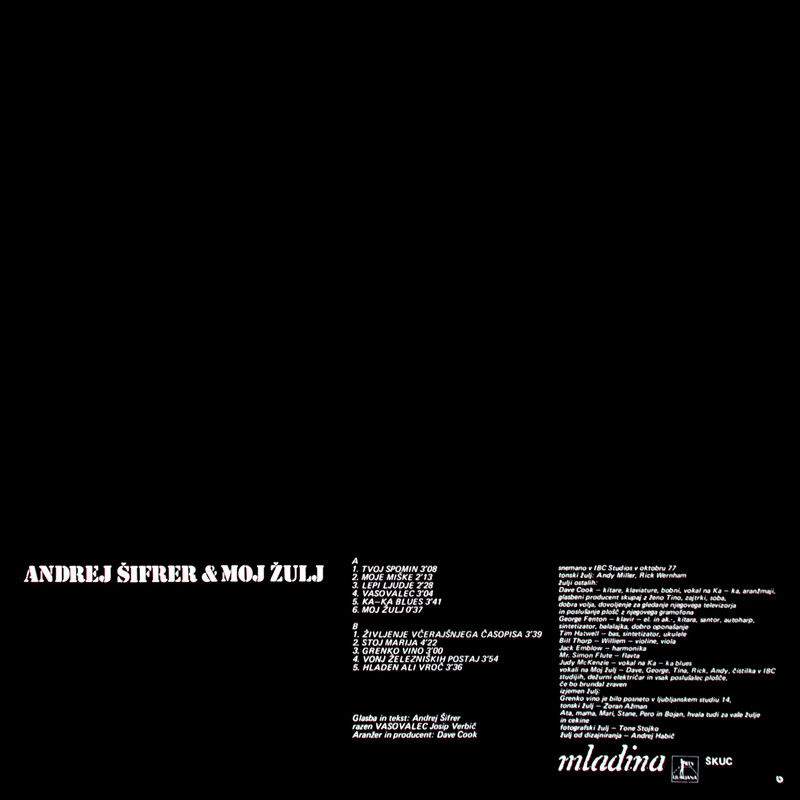
ANDREJ ŠIFRER - Zoboblues (1977) EP
subota, 9. prosinca 2023.
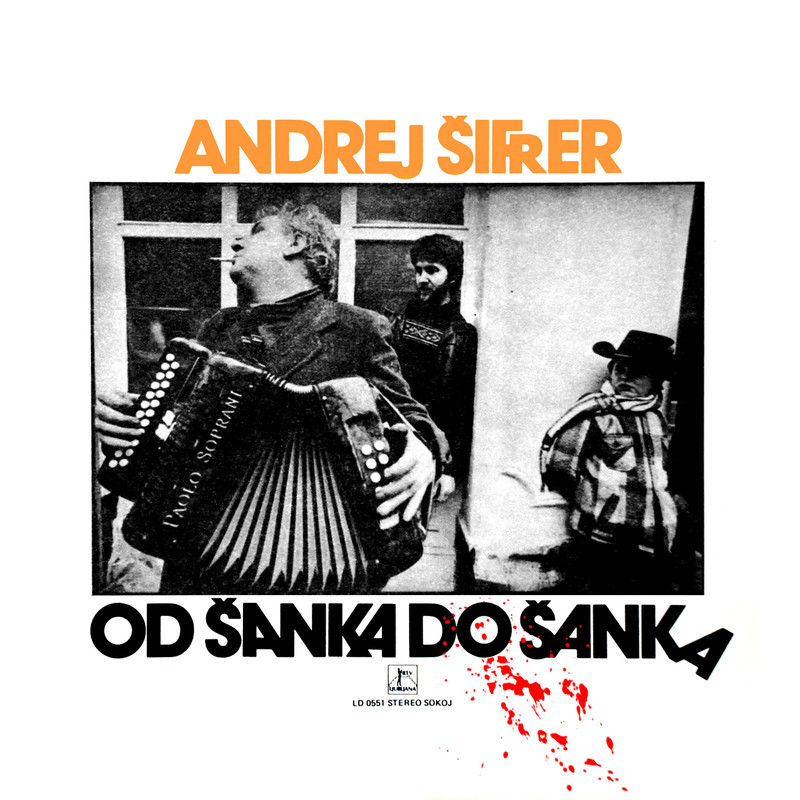
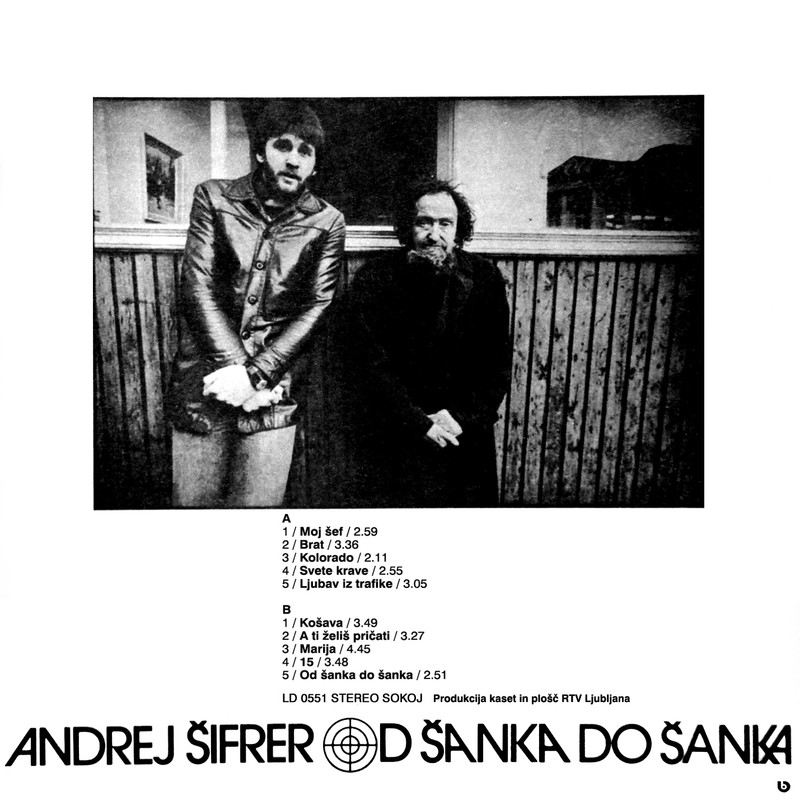
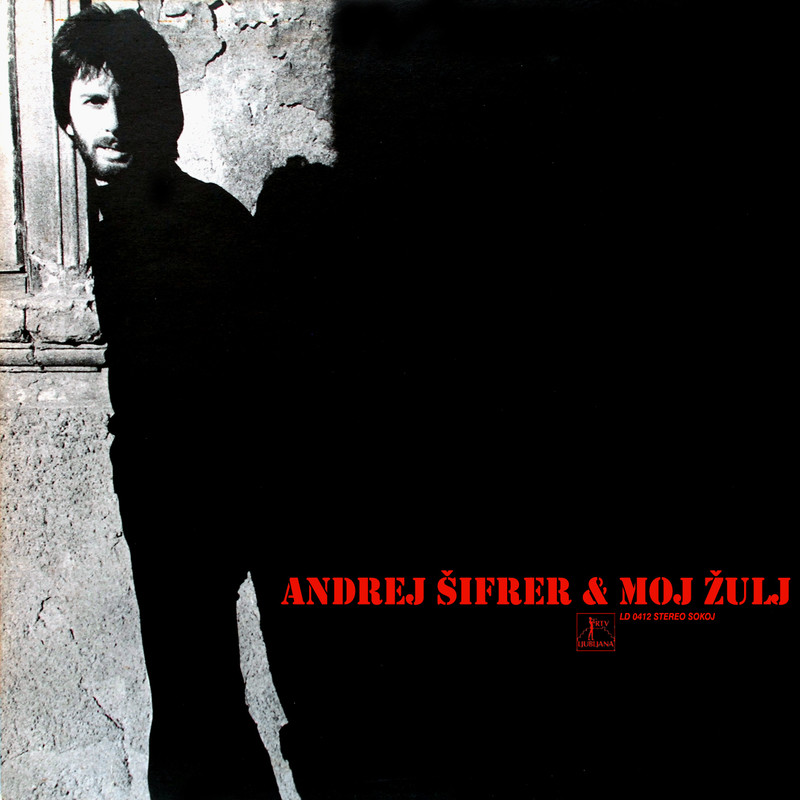
ANDREJ ŠIFRER - Nove pravljice za otroke in upokojence (1983)
petak, 8. prosinca 2023.
BOXER - Vrpce sa tavana (1989)
MARJANOV ČUDNI ZAJEC - Svinjam diamante (1985)
During the 1980s Marko Brecelj led an unconventional career of a solo artist. He used to play minimalist one-man show performances, accompanied by guitar or violin, with hilarious poetry recitals and stage acrobatics (burning his hair, singing from a wheelchair...). In 1985 he assembled a short- lived band (or rather: a project) called MARJANOV ČUDNI ZAJEC who recorded a minor avant-rock masterpiece under the indicative title "Svinjam diamante". Album went unnoticed on the Yugoslav market due to poor distribution and obviously deliberate underground Lo-Fi approach. Brecelj's twisted sense of humour and absurd lyrics is best heard in the short miniaturist sketches performed live in front of small audience constantly bursting out in laugh. The opener "Vrba" contains nonsense quasi-translation mix of Slovene and German lines, while "Midnight" is a straightforward finger showed to the class of "Tovariši" (that is "the Comrades" - the Communist party aristocracy) backed by the sounds of pigs squeak and jazzy piano! "When I Am Dead" shows the band capable of delivering a true "a capella" in the vein of Negro spirituals, but still with a sort of distant echo of Zappa's doo-wop workings. Along with Brecelj (described on the album cover as "the former rock star"), his long-time associate singer/songwriter Ivan Volarič Feo is also present and both were actually credited as "guests" on the album. Strange indeed, but when you start listening to other compositions, MARJANOV ČUDNI ZAJEC shows very good musical competencies, much greater than is commonly the case for usual backing bands. The members were: Leon Ukmar-guitar, Zlatko Basič-bass, Taljub Lapajne-guitar, Robert Vatovec-keyboards and Marjan Medvesćak-drums. Music is full of unusual and odd rhythm patterns provided by scratchy guitars, leading bass lines and occasional synths. Brecelj's voice is funny, exaggerated, aggressive, satirical, mocking, gentle, and cool all from one moment to another. Comparison with Frank Zappa cannot be avoided, but this music is related to many different styles - avant-gardist RIO approach, especially in strong political overtones like in "Soldaška" satirising the JNA - Yugoslav People's Army - everyday life of involuntary soldiers, post-punk guitar and bass riffs as in "Ali slišite" and "Drugi, tretji", BULDOZER-like psychedelia with disturbing vocals and jazz-manner played bass and piano in "Mamici za 1. November", or spacey beat with odd time signature in "Bilećanka"invoking certain elements from Krautrock or even "Planet Gong" universe. "Svuda ljudi, svuda zastave" with its keyboards and synth flushes is even close to progressive rock. "Sexy Disco Hit" is one of Brecelj's best songs, in which Zappa meets Talking Heads or Pere Ubu, having one of the most fervent spits into the face of popular dance culture. And it is really seducing, hypnotic, danceable and funky! "Majmuni" is the electric version of the angst-filled protest song against Yugoslav rock dinosaurs Bijelo Dugme, previously recorded on the acoustic EP "Parada" in 1981. "Stonesi spoznajo moje stare starše" is previously unreleased old acoustic track in a folksy singer/songwriter style, presumably written in 1970s. This fine, excellent, funny, serious, obnoxious, ridiculing, mesmerising piece of unconventional rock music ends on another absurd poetry note in the closing 20 seconds "Smrt" - "Death is without colour, taste or smell/Death does not have acid-base reaction/Death is an isolator/Death does not show any signs of life"! (from wikipedia)
četvrtak, 7. prosinca 2023.
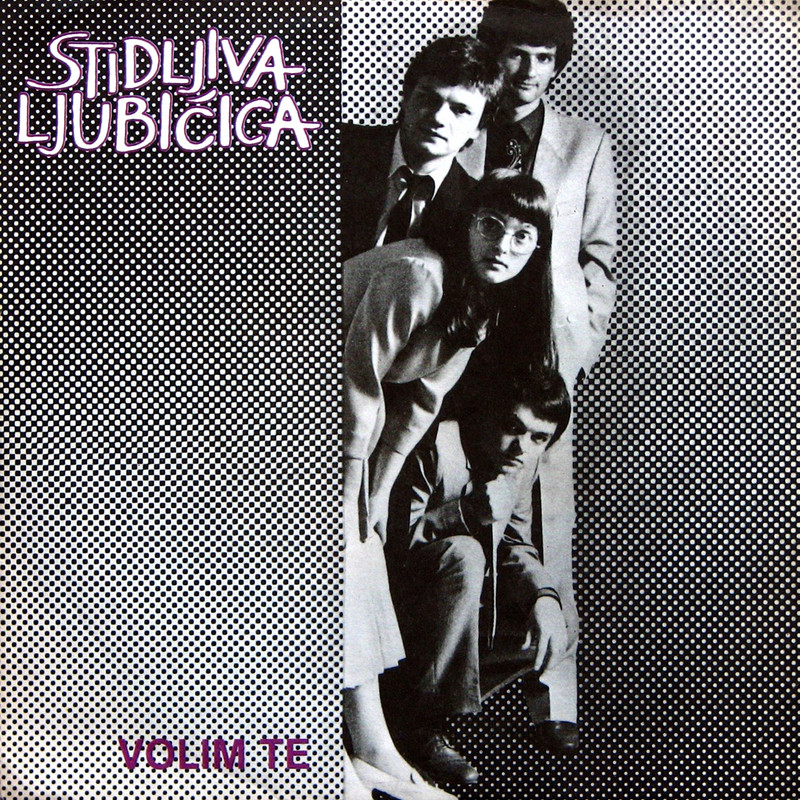
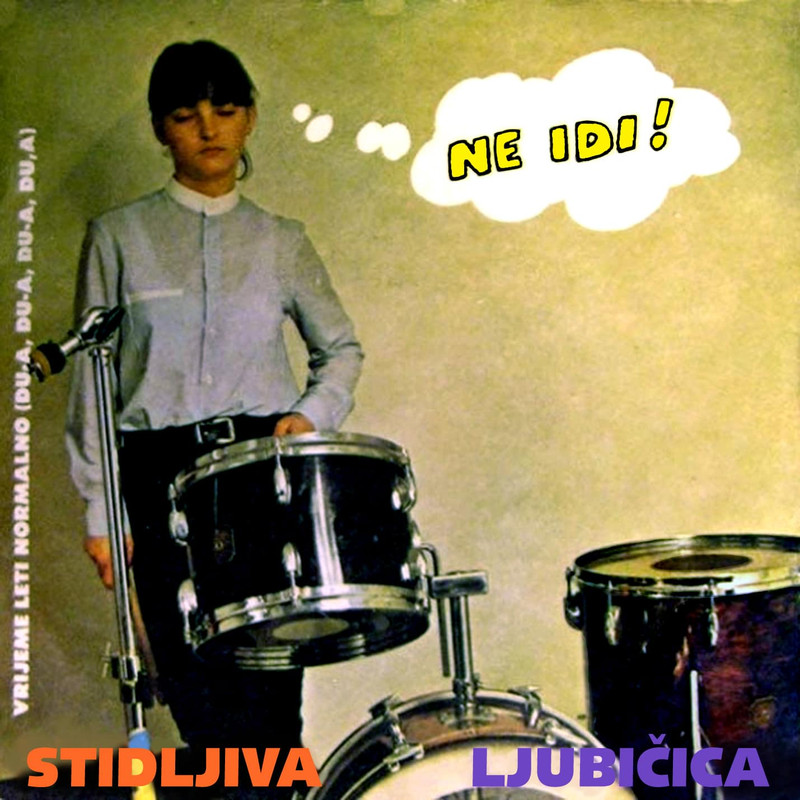
STIDLJIVA LJUBIČICA - Osvrni se na mene (1981)
STIDLJIVA LJUBIČICA was formed in 1980 by Zlatko Đurašina (guitar and vocal), Renato Happ (vocal, organ, piano), Tvrtko Zdunić (bass) and Elvira Happ (drums, vocal). After performances at the Youth Festival in Subotica Husein Hasanefendić-Hus (from Parni Valjak) produced their first two singles. The first album "Osvrni se na mene", was recorded in the studio Jadran Film in 1981. Album produced by Nenad Zubak except the song "Osvrni se na mene" produced by Hussein Hasanefendić. All the songs on the album was written by Zlatko Đurašina. After issuing the second album "Jesenje frke" in 1982 they split up.
srijeda, 6. prosinca 2023.
utorak, 5. prosinca 2023.
ponedjeljak, 4. prosinca 2023.
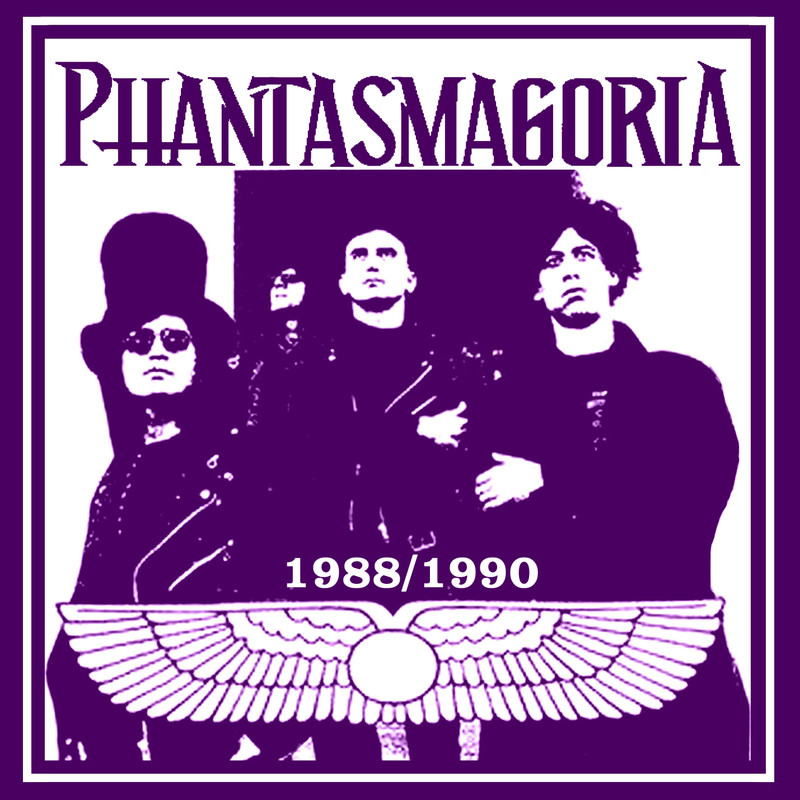
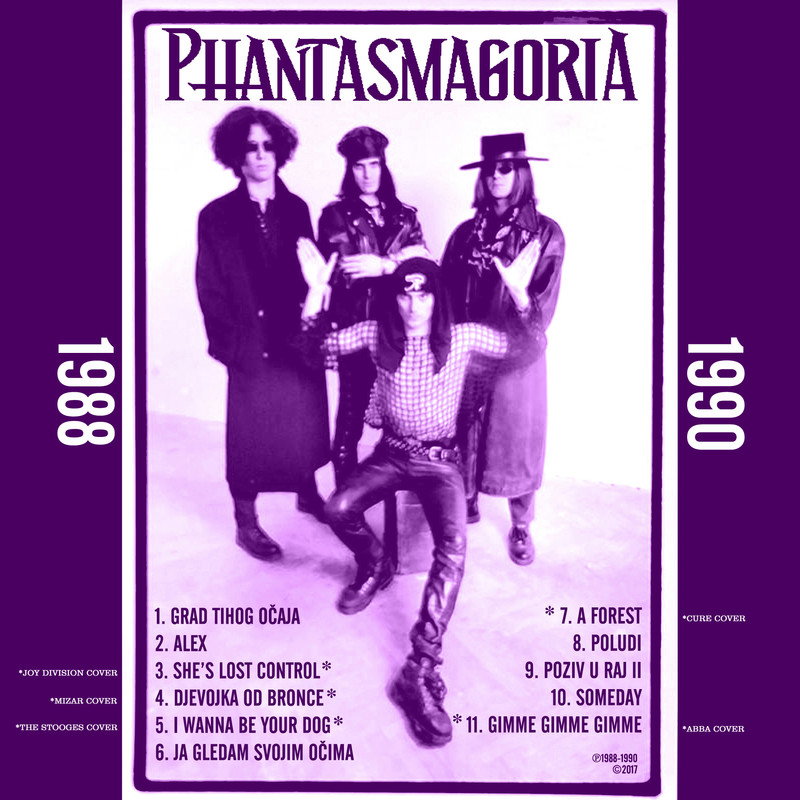
PHANTASMAGORIA - Phantasmagoria (1988-1990)
nedjelja, 3. prosinca 2023.
DINKA & BRANKA - Kad bi... (1979) Single
subota, 2. prosinca 2023.
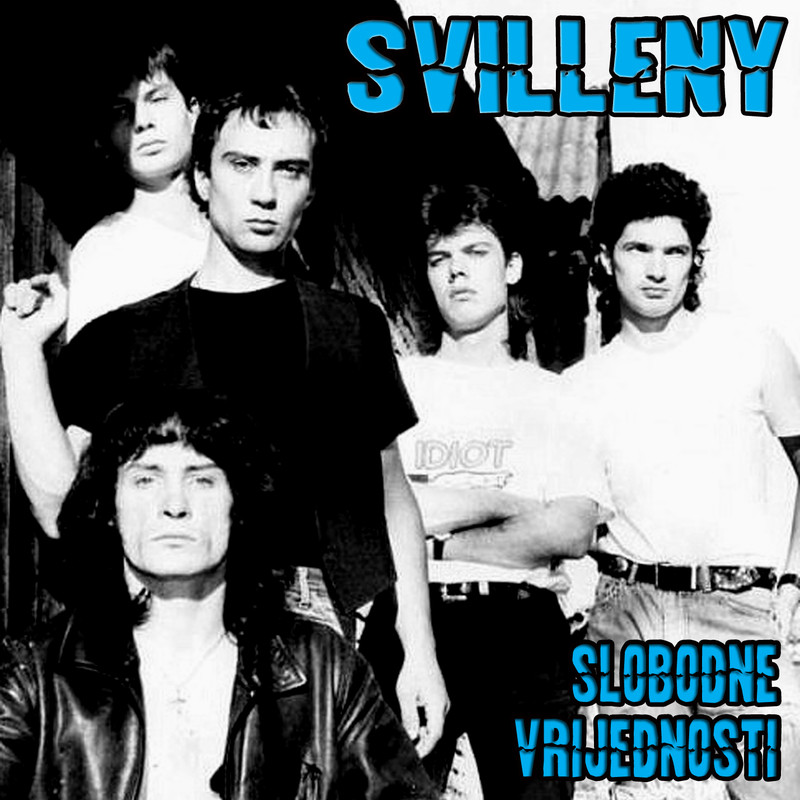
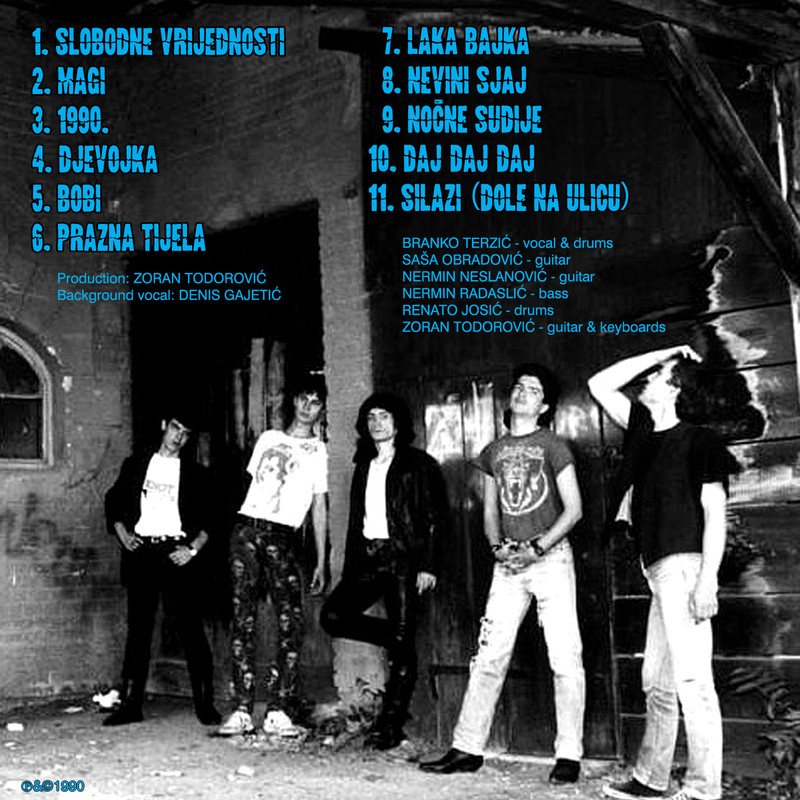
SVILLENY - Slobodne vrijednosti (1990)
BIJELO DUGME - Ćiribiribela (1988)
"Ćiribiribela" is the ninth and final studio album released by BIJELO DUGME. "Ćiribiribela" is critically considered to have been Bijelo dugme's best album in their fifteen year carrier. Goran Bregović pushed for softer sound to its fullest on "Ćiribiribela" which is stylistically close to the band's previous studio album "Pljuni i zapjevaj moja Jugoslavijo". "Ćiribiribela" is perhaps best remembered for containing one of Bijelo dugme's best known songs, the traditionalist, brass loaded "Đurđevdan je, a ja nisam s onom koju volim", which became an instant classic upon its release. In contrast "Lijepa Naša", often considered one of the band’s least popular songs, Bregović (who is half Serbian, half Croatian) combined the Croatian anthem "Lijepa naša Domovino" with the Serbian World War I traditional "Tamo daleko" to form the chorus of the song, this proved very unpopular as ethnic tension among the people of Yugoslavia was on the rise at the time which would eventually boil over into full scale Yugoslav wars in the 1990s. (from wikipedia)
petak, 1. prosinca 2023.
BIJELO DUGME - Pljuni i zapjevaj moja Jugoslavijo (1986)
"Pljuni i zapjevaj moja Jugoslavijo" is the eighth studio album released by BIJELO DUGME, and the first to feature vocalist Alen Islamović (formerly of the heavy metal band Divlje jagode). Goran Bregović had first approached Alen Islamović to join Bijelo dugme after the departure of the bands original lead singer Željko Bebek in 1984, however, Islamović rejected the offer and Bregović eventually recruited the young and inexperienced Mladen "Tifa" Vojičić. After recording 1984’s self titled album things began to deteriorate within the band, Vojičić’s drug and alcohol dependencies coupled with an un-professional approach frustrated the elder Bregović who was forced to fire Vojičić in October 1985. In April 1986 Islamović received a second offer from Bregović this time accepting to join the most famous band in Yugoslavia. The album was notable for featuring Yugoslav national hero and Central Committee member Svetozar Vukmanović-Tempo singing the Partizan song "Padaj silo" at the beginning of "Pljuni i zapjevaj moja Jugoslavijo". (from wikipedia)
BIJELO DUGME - Bijelo dugme (1984)
"Bijelo Dugme" is the seventh studio album released by rock group BIJELO DUGME. Due to Bijelo dugme's usage of the famous painting by Uroš Predić for the album's cover the most widely used name for the album is "Kosovka djevojka", despite it officially being a self titled album. "Kosovka djevojka" marks the return of folk music elements most prominent on song "Lipe cvatu, sve je isto k'o i lani" and oriental on song "Za Esmu". The album produced by Goran Bregović was recorded at several locations with Mufid Kosović and Milka Gerasimova as sound engineers. Bora Đorđević, frontman of the rock band Riblja Čorba made a guest appearance in the song "Pediculis pubis", having co-written it with Goran Bregović (Bregović would, in return, make a guest appearance on Riblja Čorba 1985 album "Istina", singing with Đorđević in the song "Disko mišić"). Other guest appearances included, the Croatian folk group Ladarice, the Macedonian gajda player Pece Atanasovski and the folk instruments orchestra of the Radio-Television Skopje and Sonja Beran - Leskovšek who played the harp. It was the group's first album since the departure of former frontman Željko Bebek who was replaced by Mladen "Tifa" Vojičić. Despite his talents, Tifa's stint as Bijelo Dugme's lead singer would be a short one, due to personality clashes, lack of professionalism, and drug and alcohol abuse causing friction between Tifa and the other band members, particularly Goran Bregović who would go on to fire Tifa in October 1985. (from wikipedia)

Pretplati se na:
Postovi (Atom)