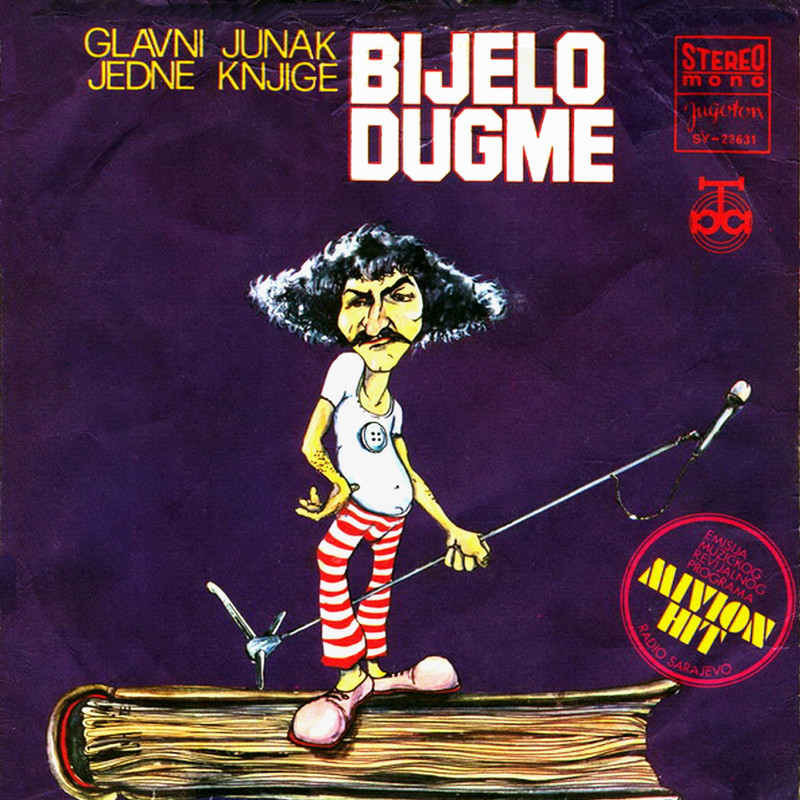
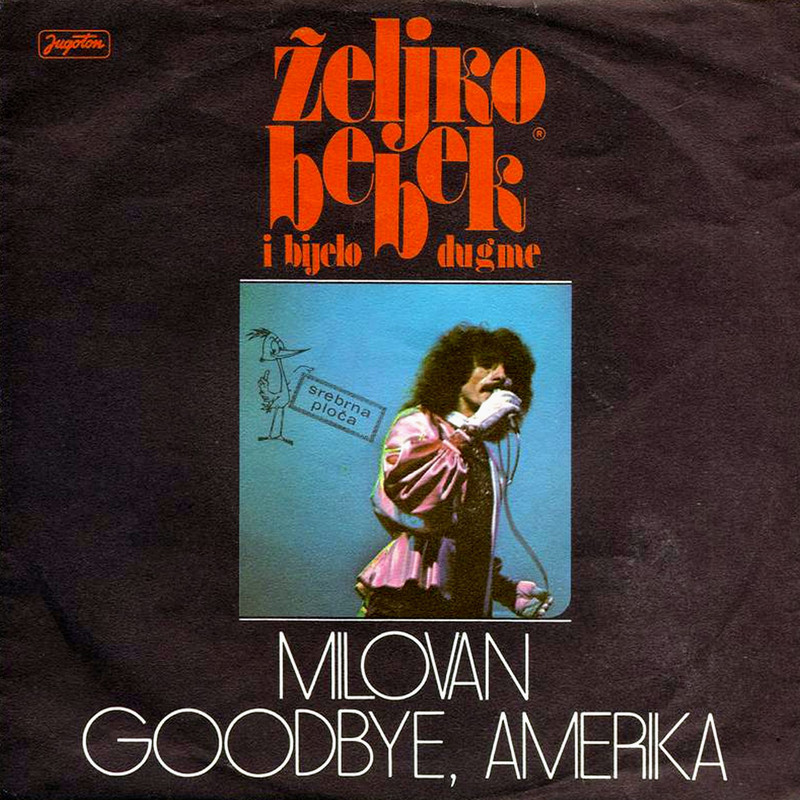
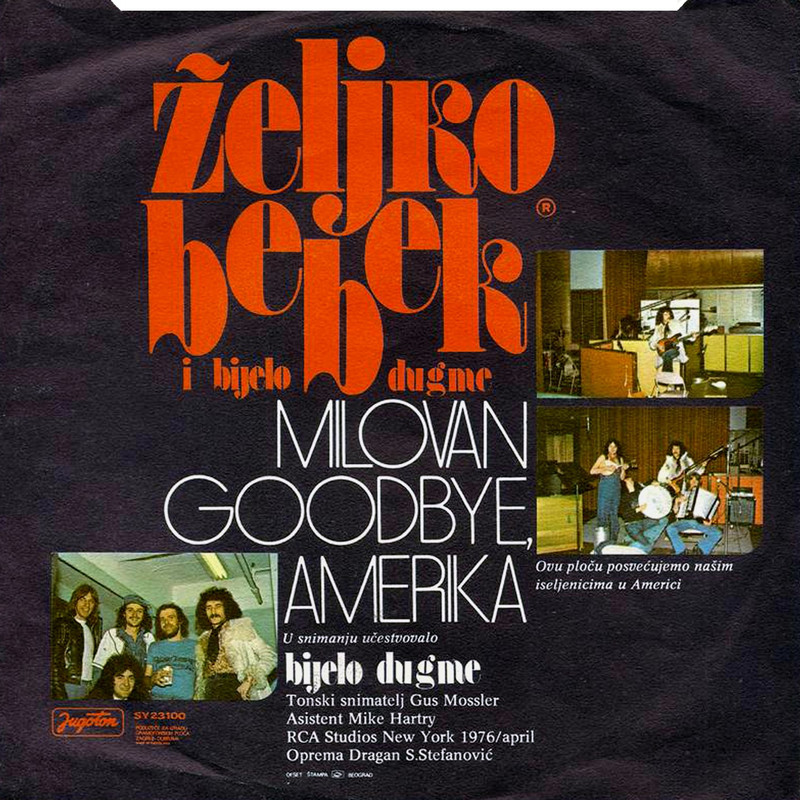
"Ćiribiribela" is the ninth and final studio album released by BIJELO DUGME. "Ćiribiribela" is critically considered to have been Bijelo dugme's best album in their fifteen year carrier. Goran Bregović pushed for softer sound to its fullest on "Ćiribiribela" which is stylistically close to the band's previous studio album "Pljuni i zapjevaj moja Jugoslavijo". "Ćiribiribela" is perhaps best remembered for containing one of Bijelo dugme's best known songs, the traditionalist, brass loaded "Đurđevdan je, a ja nisam s onom koju volim", which became an instant classic upon its release. In contrast "Lijepa Naša", often considered one of the band’s least popular songs, Bregović (who is half Serbian, half Croatian) combined the Croatian anthem "Lijepa naša Domovino" with the Serbian World War I traditional "Tamo daleko" to form the chorus of the song, this proved very unpopular as ethnic tension among the people of Yugoslavia was on the rise at the time which would eventually boil over into full scale Yugoslav wars in the 1990s. (from wikipedia)
Prikazani su postovi s oznakom BIJELO DUGME. Prikaži sve postove
subota, 2. prosinca 2023.
petak, 1. prosinca 2023.
BIJELO DUGME - Pljuni i zapjevaj moja Jugoslavijo (1986)
"Pljuni i zapjevaj moja Jugoslavijo" is the eighth studio album released by BIJELO DUGME, and the first to feature vocalist Alen Islamović (formerly of the heavy metal band Divlje jagode). Goran Bregović had first approached Alen Islamović to join Bijelo dugme after the departure of the bands original lead singer Željko Bebek in 1984, however, Islamović rejected the offer and Bregović eventually recruited the young and inexperienced Mladen "Tifa" Vojičić. After recording 1984’s self titled album things began to deteriorate within the band, Vojičić’s drug and alcohol dependencies coupled with an un-professional approach frustrated the elder Bregović who was forced to fire Vojičić in October 1985. In April 1986 Islamović received a second offer from Bregović this time accepting to join the most famous band in Yugoslavia. The album was notable for featuring Yugoslav national hero and Central Committee member Svetozar Vukmanović-Tempo singing the Partizan song "Padaj silo" at the beginning of "Pljuni i zapjevaj moja Jugoslavijo". (from wikipedia)
BIJELO DUGME - Bijelo dugme (1984)
"Bijelo Dugme" is the seventh studio album released by rock group BIJELO DUGME. Due to Bijelo dugme's usage of the famous painting by Uroš Predić for the album's cover the most widely used name for the album is "Kosovka djevojka", despite it officially being a self titled album. "Kosovka djevojka" marks the return of folk music elements most prominent on song "Lipe cvatu, sve je isto k'o i lani" and oriental on song "Za Esmu". The album produced by Goran Bregović was recorded at several locations with Mufid Kosović and Milka Gerasimova as sound engineers. Bora Đorđević, frontman of the rock band Riblja Čorba made a guest appearance in the song "Pediculis pubis", having co-written it with Goran Bregović (Bregović would, in return, make a guest appearance on Riblja Čorba 1985 album "Istina", singing with Đorđević in the song "Disko mišić"). Other guest appearances included, the Croatian folk group Ladarice, the Macedonian gajda player Pece Atanasovski and the folk instruments orchestra of the Radio-Television Skopje and Sonja Beran - Leskovšek who played the harp. It was the group's first album since the departure of former frontman Željko Bebek who was replaced by Mladen "Tifa" Vojičić. Despite his talents, Tifa's stint as Bijelo Dugme's lead singer would be a short one, due to personality clashes, lack of professionalism, and drug and alcohol abuse causing friction between Tifa and the other band members, particularly Goran Bregović who would go on to fire Tifa in October 1985. (from wikipedia)
četvrtak, 30. studenoga 2023.
BIJELO DUGME - 5. April '81 (1981)
"5. april '81" is the second live album by BIJELO DUGME. It was recorded in Zagreb's "Kulušić club" during the Yugoslavia-wide tour in support of "Doživjeti stotu" studio album. The album was put out in limited release of only 20,000 copies. The album featured a live cover of Indexi song "Sve ove godine".
srijeda, 29. studenoga 2023.
BIJELO DUGME - Koncert kod Hajdučke česme (1977)
"Koncert kod Hajdučke česme" is the first live release by BIJELO DUGME. The album's title refers to the band's famous concert played before approximately 100,000 people on August 28, 1977 near Hajdučka česma grounds at Košutnjak Park in Beograd, however, the material on the record is only partially recorded at the said event. After disappointingly realizing the concert recording sounded terrible on tape due to technical limitations and the wide open space, the band played another show at "Đuro Đaković Hall" in Sarajevo on October 25, 1977, which is the actual performance heard on the album. In the end, the only part of original Hajdučka česma concert that ended up on the record is the crowd reaction after each song. (from wikipedia)
utorak, 28. studenoga 2023.
BIJELO DUGME - Uspavanka za Radmilu M. (1983)
Coming off their New Wave-inspired "Doživjeti stotu" album, which was a radical departure from BIJELO DUGME's original folkish hard rock style, "Uspavanka za Radmilu M." was to be the band's chance for redemption as they decided to make it a lot less New Wave-oriented. And though it had a considerably more favourable initial reception than its predecessor, most still found it to be unfocused and incoherent. Tracks like the opening "Polubauk polukruži poluevropom" and the Lou Reedesque "Ovaj ples dame biraju", both featuring barely intelligible lyrics, were in many circles taken as the defining proof that Goran Bregović was fast becoming a spent author with no new credible ideas. "U vrijeme otkazanih letova" fuses lyrics featuring oriental motifs with the '80s new romantic sound. The band only somewhat sounds like the famous Bijelo dugme of old on "Ako možeš zaboravi" (by far the best known song off the album) and "Zašto me ne podnosi tvoj tata". The album is rounded off by "Ne plači", followed by the instrumental title track. Still, Goran Bregović managed to get the public's attention by having Željko Bebek sing "Kosovska" in Albanian. The fact that this occurred only a year after 1981 Albanian protests in Kosovo made the song a controversial choice. In addition to generating media publicity for the band, "Kosovska" also opened new doors for Bijelo Dugme as they now felt comfortable staging a concert in Priština - something that most other Yugoslav bands at the time stayed away from due to fears of crowd trouble. The track also featured Leb i Sol leader Vlatko Stefanovski on guitar. During its making, Bregović conceptulized "Uspavanka za Radmilu M." as the band's farewell record. He later said: “When we were working on "Uspavanka", we approached it with the intent of making it our final album. Some pieces came together that made it clear to us that it is time to go. I planned on making our Belgrade concert at Sajmište on April 24, 1983 our last, but the entire atmosphere was so good, that we had a change of heart." And while "Uspavanka za Radmilu M." turned out not to be Bijelo dugme's swan song, it was the end of an era in other ways. It was their last album featuring Željko Bebek, founding member who spent the previous decade as the group's lead singer. He officially left in April 1984 to pursue a solo career, following a long period of quiet and open feuding with Bregović, mostly over revenue sharing. It was also the last studio album Bijelo dugme released for Jugoton, as the record label wasn't happy with the band's recent shift towards New Wave, which they thought perciptated a drop in sales. On the other hand, Bregović thought the lack of a proper marketing effort by the label contributed to band's deteriorating popularity. (from wikipedia)
ponedjeljak, 27. studenoga 2023.
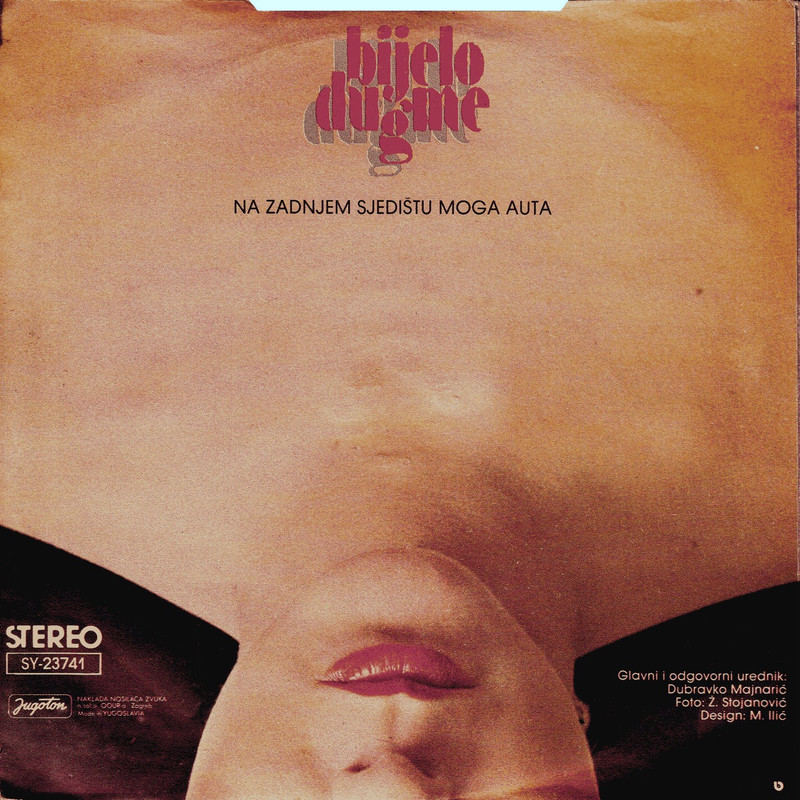
BIJELO DUGME - Doživjeti stotu (1980)
"Doživjeti stotu" is the fifth studio album released by Yugoslav rock band BIJELO DUGME. The album is noted for the band's change of direction towards new wave, in contrast to folkish hard rock on their previous releases. "Doživjeti stotu" was being prepared and eventually released in the wake of the Yugoslav lifetime president Josip Broz Tito's death. His passing on May 4, 1980 triggered an extended mourning period that saw most of the entertainment activities throughout the country temporarily quiet down. Pre-recording rehearsals were held in Goran Bregović's chalet on Jahorina Mountain, before actual sessions began at Radio Belgrade's Studio 4 on October 6, 1980. Exactly two months later, on December 6, in anticipation of the album release, the 7" single "Dobro vam jutro Petrović Petre"/"Na zadnjem sjedištu moga auta" appeared in stores containing a song off the coming album as well as a B-side from the previous one. Immediately, the new song about a fictional character Petar Petrović received a radio ban due to the lyric "sve u finu materinu", which some found inappropriate "especially in the sensitive time following Tito's death". Also, once the album itself came out, some complained about what they saw to be the "morbidity" of its three part sleeve, which depicts a plastic surgery. The sleeve was done by graphic designer Mirko Ilić, artist closely associated with Yugoslav New Wave scene. Unlike with previous studio albums, promoting "Doživjeti stotu" also included selling the shocked public on the whole new sound and radically different look. Except for "Pristao sam biću sve što hoće" and "Pjesma mom mlađem bratu" every single track sounded much different from what came to be expected as Bijelo dugme sound over the previous 6–7 years, which is why the album was met with a lot of scepticism. (from wikipedia)
nedjelja, 26. studenoga 2023.
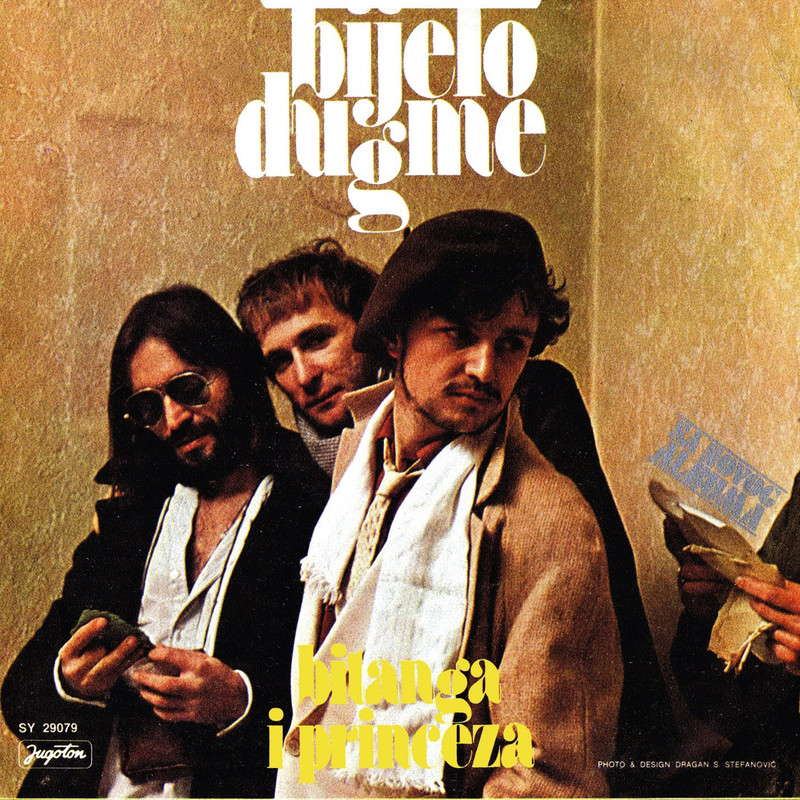
BIJELO DUGME - Bitanga i princeza (1979)
"Bitanga i princeza" is the fourth studio album released by Yugoslav Rock band BIJELO DUGME. It is highly regarded as the band's most mature effort and is considered by both fans and critics alike to be one of Bijelo dugme’s finest works. It is considered by many to have been the bands final progressive/hard rock influenced album before Bijelo dugme re-invented themselves for the 1980s, by taking on board a more New Wave sound that started sweeping the former Yugoslavia at the time. In addition to containing shorter, more softer songs in comparison to their previous works, "Bitanga i princeza" also features the seven and a half minute "Sve će to mila moja prekriti ruzmarin, snjegovi i šaš", a haunting ballad that went on to become one of Bijelo dugme's signature songs. The album was polled in 1998 as the 9th on the list of 100 greatest Yugoslav rock and pop albums in the book "YU 100: Najbolji albumi jugoslovenske rok i pop muzike". (from wikipedia)
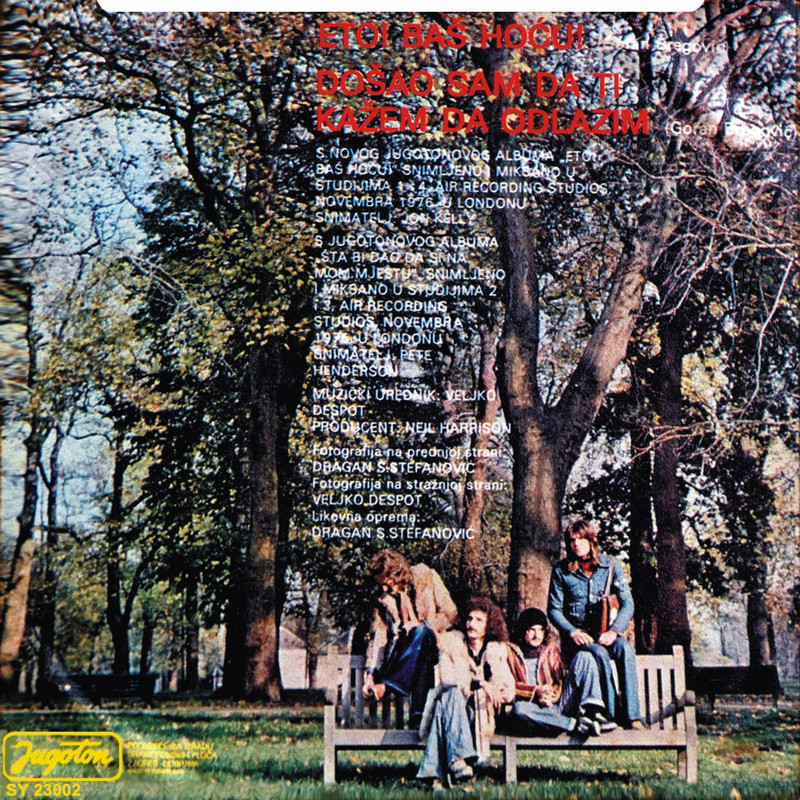
BIJELO DUGME - Eto! Baš hoću! (1977)
"Eto! Baš hoću!" is the third studio album released by Yugoslav rock band BIJELO DUGME. Album continues Bijelo dugme's early folkish hard rock style, although it is on this album that Goran Bregović began to react to changing trends in rock music (both internationally and domestically) by slowly shedding the band's heavy metal and progressive rock leanings in favor of a more soft rock, consequently paving the way for the band's eventual shifting into 1980s New Wave. Still, "Eto! Baš hoću!" is acknowledged as Bijelo dugme's last, true hard rock album from the early period, together with the 1977 live album "Koncert kod Hajdučke česme". What eventually became "Eto! Baš hoću!" album was created in extremely stressful circumstances. Rehearsals and pre-recording sessions began at Borike village in September 1976. Of the now established lineup that completed the first two albums, only Zoran Redžić was missing since he was away serving the army stint. His replacement on bass was Ljubiša Racić who was with the band since the beginning of the year having played his first show with Bijelo dugme on February 11, 1976 at Belgrade's Pionir Hall during the tour supporting the previous album. The tour lasted through the summer finishing in August and Bregović then decided to quickly record a new album to be in stores by the end of the year since he knew Pravdić would have to go away to the army as he was turning 27 in early December. To that end Bregović booked a studio in London for the month of November and set about writing and practicing the new material on the fly at Borike. In early October both the keyboardist Vlado Pravdić and drummer Ipe Ivandić got unexpected call ups to immediately report for their mandatory army stints by October 13, 1976 in Čačak and Belgrade, respectively, which meant that Bregović suddenly had to find two new members on a very short notice. For the drummer spot, he right away turned to old bandmate Milić Vukašinović who quickly accepted, but getting a new keyboardist was not as smooth. Bregović wanted Laza Ristovski, playing with Smak at the time, who in addition to being uneasy about leaving his band also felt apprehensive about fitting into Bijelo dugme setup that was much different both creatively and organizationally from what he was used to with Smak. Ristovski finally decided to give it a shot, and after some initial difficulties, eventually stayed on. His arrival got major attention in Yugoslav media that covered it like a bigtime football transfer. Dissatisfied with the way things are going on organizational front generally, Bregović also sacked the band's manager Grada Veljković and brought Raka Marić in his place. The album was originally supposed to be called "Sve se dijeli na dvoje, na moje i tvoje", but despite trying very hard, Bregović wasn't able to come up with a satisfactory melody to a Duško Trifunović-written poem from which the above lyric is taken, so the whole the idea was abandoned. The next suggestion for the album title was "Hoću bar jednom da budem blesav!" which the people at record label "Jugoton" didn't like, so finally right before departing for London "Eto! Baš hoću!" was agreed on as sort of a compromise. Since Racić was just a replacement until Redžić gets back from the army, the band did not take him to London, so Bebek ended up playing the bass on the album. Once the recording sessions began at Air Studios, a new problem arose - the band featuring two new members (Ristovski and Vukašinović) versus two returning ones (Bregović and Bebek) sounded much different from how Bregović envisioned this album should sound. Still, by the end of their time in London most things fell into place and the album was released back home on December 20, 1976. Upon coming back to Sarajevo the preparations for the tour to begin in February 1977 started. That brought about more personnel issues, however, as bassist Ljubiša Racić asked for more money, but instead of giving him a raise, Bregović fired him. Bregović and manager Marić turned to looking for a replacement, picking up Sanin Karić. (from wikipedia)
subota, 25. studenoga 2023.
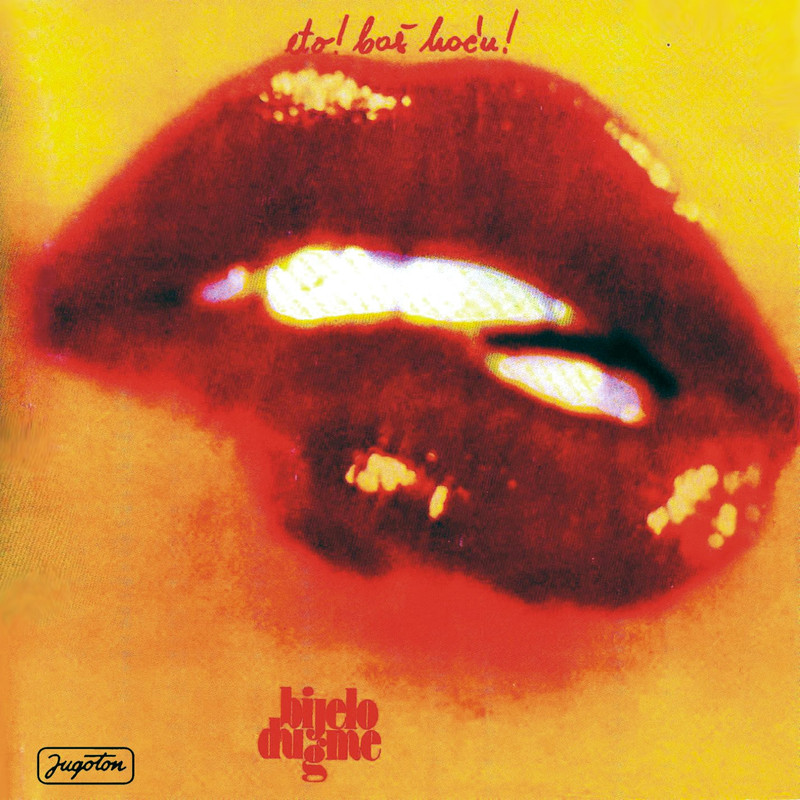
BIJELO DUGME - Playing The Part (1981) Single
petak, 24. studenoga 2023.
četvrtak, 23. studenoga 2023.
Pretplati se na:
Postovi (Atom)