petak, 15. rujna 2023.

VRIJEME I ZEMLJA - Vrijeme i zemlja (1979)


VRIJEME I ZEMLJA was founded in 1978, in Rijeka (Croatia). Members of the group were Nenad Bach (guitar, vocal), Marinko Radetić (bass), Joško Serdarević (drums) and Davor Tolja (keyboards). They recorded two singles and one album and then split.

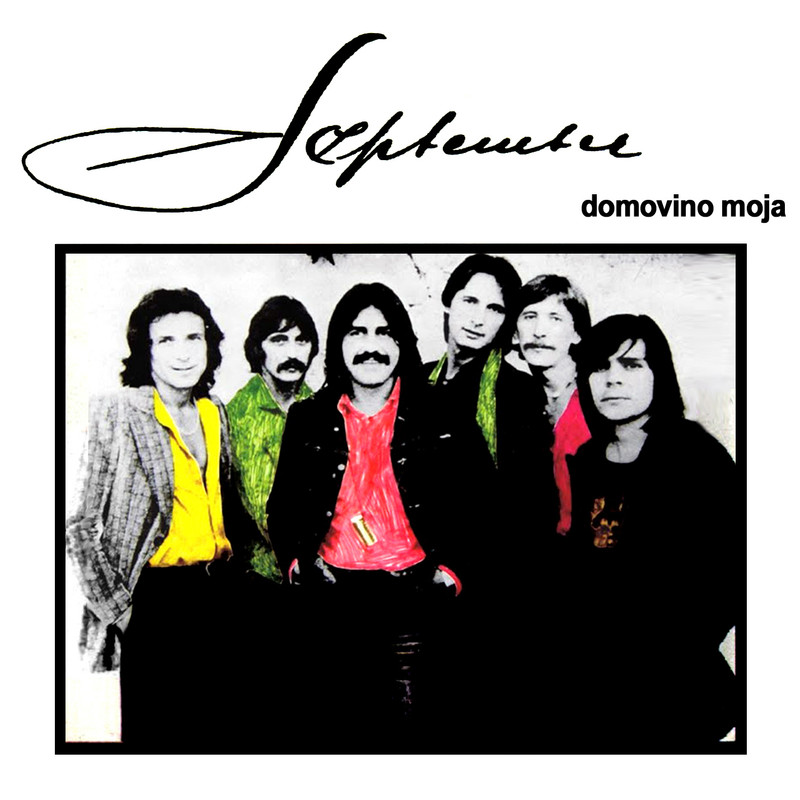
SEPTEMBER - Domovino moja (1979)


SEPTEMBER second album from 1979.

četvrtak, 14. rujna 2023.

SEPTEMBER - Florida (1978)


In the United States the band SEPTEMBER recorded their second studio album "Domovino moja" in Seabird Recording Studio in Edgewater, Florida and produced by band members themselves. This is their version of second album named "Florida" recorded in english in 1978. (thanks to Sergej)

SEPTEMBER - Domovino moja (1978) Single


SEPTEMBER third single record from 1978.

srijeda, 13. rujna 2023.

SEPTEMBER - Zadnja avantura (1976)


SEPTEMBER grew out of the short-lived supergroup project Jugoslavenska Pop Selekcija in September 1975, whose members included Tihomir Pop Asanović (organ), Janez Bončina (vocals, guitar), Braco Doblekar (percussion, congas) and Ratko Divjak (drums). Čarli Novak on bass and formally educated musician Pero Ugrin on electric violin and trumpet joined soon for the recording of the first album, ironically titled "Zadnja avantura". The album was recorded in February 1976 in Ljubljana and released shortly afterwards but passed largely unnoticed. This is in fact a pure gem of Yugoslavian jazz fusion that lacked popularity simply because there was no single hit song on it that would draw attention of the wider public. That said, this album is probably the first complete fusion release in ex- Yugoslavia that did not rely on the blues/R'n'B fundament, going instead further into free jazz exploration in a vein of Mahavishnu Orchestra or Return On Forever. Ugrin's electric violin has a dominant role in the album and influence from Stephane Grapelli or Jean Luc Ponty is obvious, which only adds a merit to it. The rhythm section is firm and playful in a jazz manner while Asanović gives important keyboards layers, especially his traditional Hammond sound. Bončina plays guitar, which is not much present, but in those few moments it fits nicely into compositions. The sound is uniform throughout the album without any particular song standing out, so there is a sense of a skillfully developed album concept. "Život nema pravila" is perhaps too similar to Time's famous booze ballad "Kralj alkohol" but not so as to accuse them of plagiarism. It is rather natural because Bončina and Dado Topić collaborated much together, which is evident here in a repeated performance of their co-authorship of "Ostavi trag". That song was previously included in Asanović solo album "Majko Zemljo" in 1974, but instead of female vocal of Josipa Lisac, here the male choir sings the intro before Bončina jumps in. The title track carries a good drums/percusion solo, and "Kanin" is sung in Slovene language (Boncina's mother tongue). "Zadnja avantura" is a brave and adventurous work which ranks among the most accomplished ex-Yugoslavian progressive rock music of the 1970s that is unjustly covered with dust and obscured. Jazz-rock enthusiasts are strongly encouraged to go for it if lucky enough to find this rare LP on the market. This album should be a part of any self-respecting prog rock and jazz collection. (from progarchives.com)

SEPTEMBER - Luduj s nama (1976) Single


"Luduj s nama" is the first single record released by SEPTEMBER.

nedjelja, 10. rujna 2023.

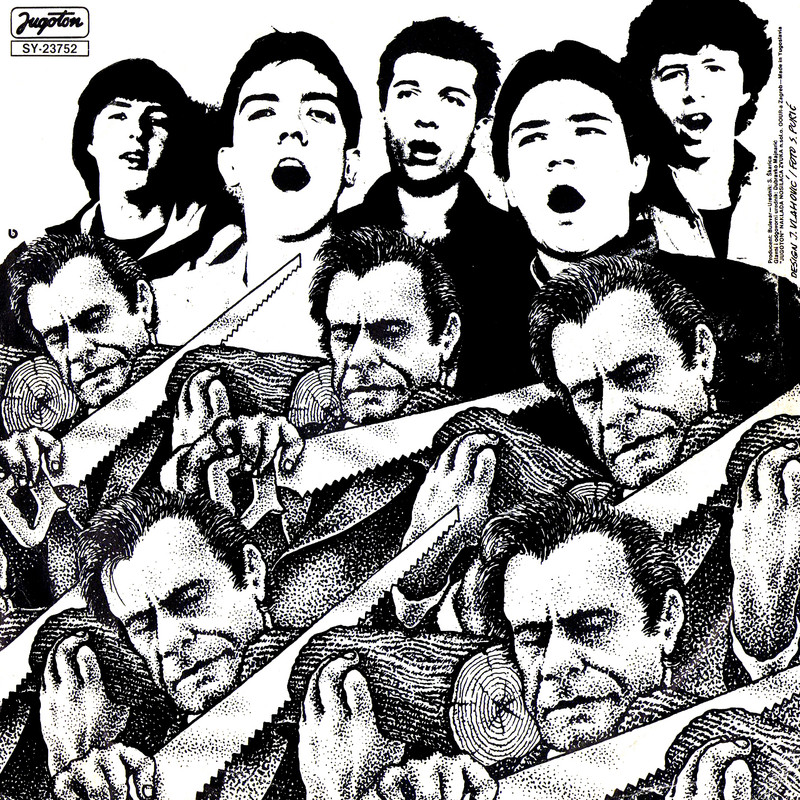
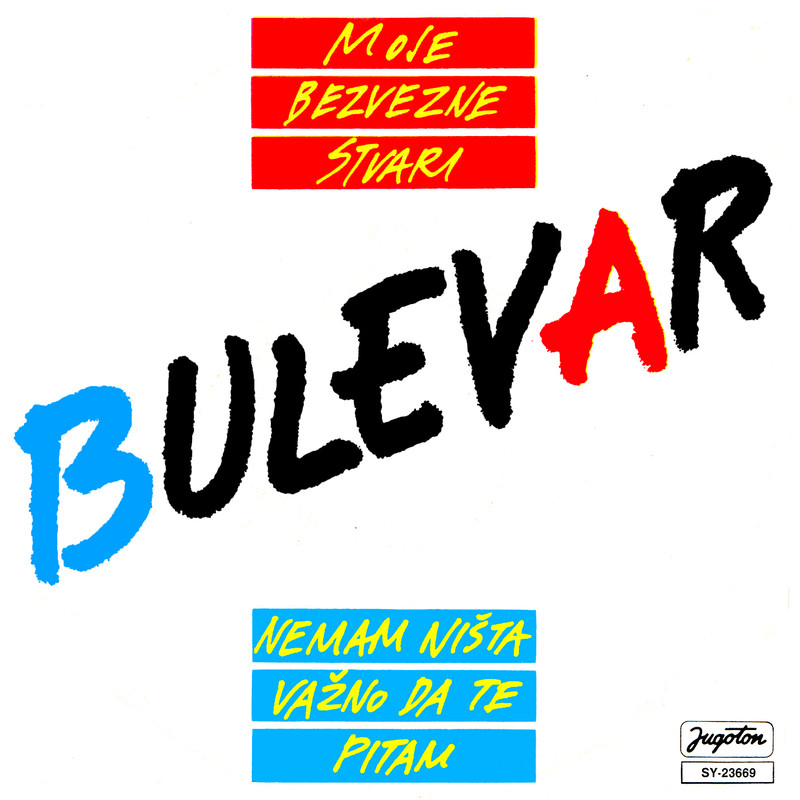
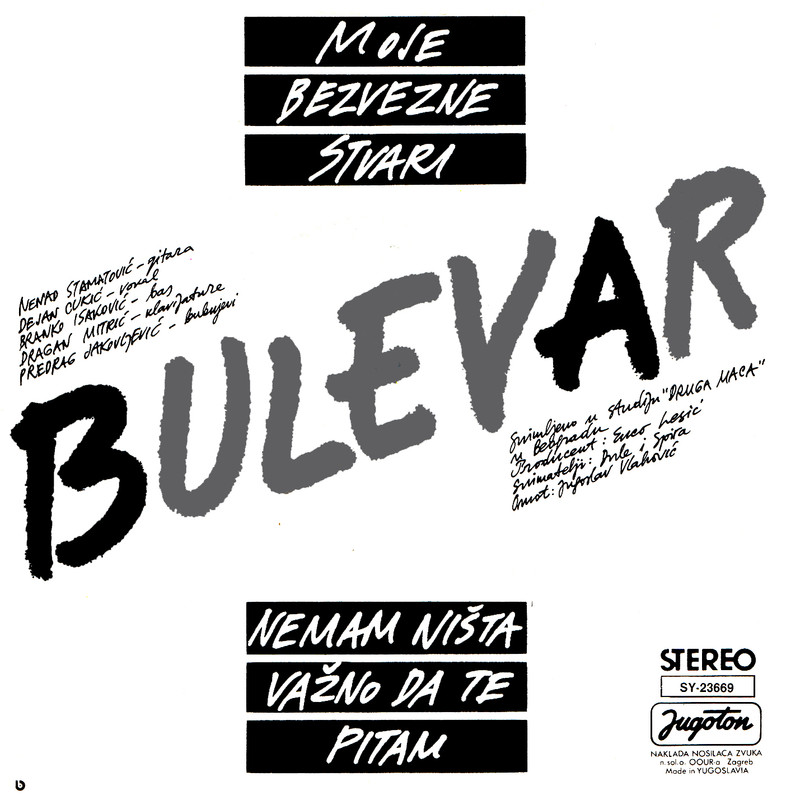
BULEVAR - Moje bezvezne stvari (1980) Single


BULEVAR first single record from 1980.

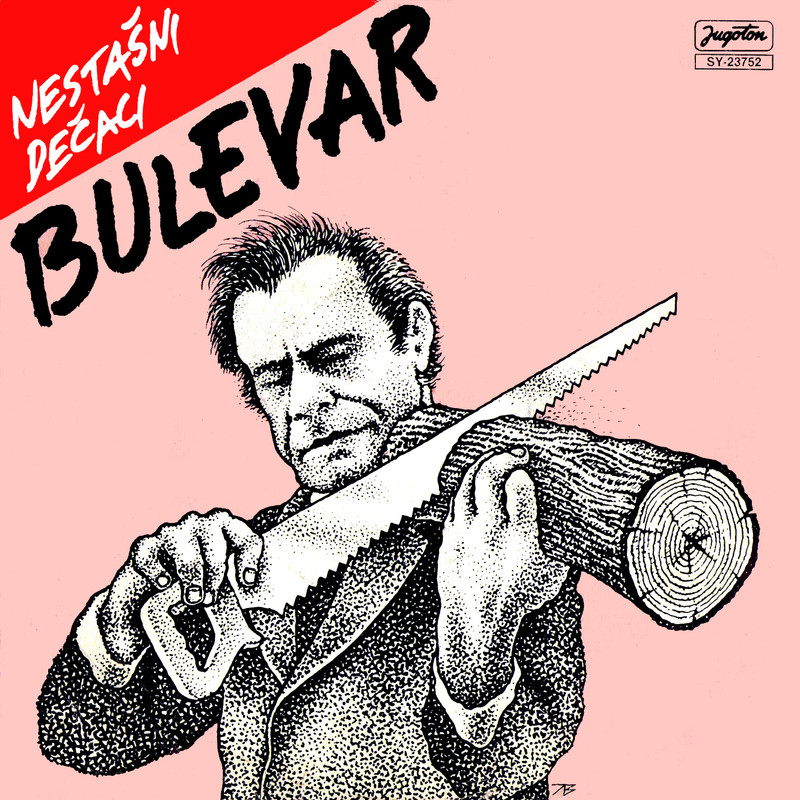
BULEVAR - Loš i mlad (1981)


BULEVAR history dates from the days of the group Tilt consisting of young highschool attendants Dejan Cukić (vocals), Nenad Stamatović (guitar), Dušan Bezuha (guitar), Miroslav Cvetković (bass) and drummers at different times, Vlada Golubović and Predrag Jakovljević. The band sometimes also performed with rock veteran Branko Marušić "Čutura" (guitar, vocals). Following the departures of Bezuha, Golubović, who went to Suncokret, and Cvetković, who went to Pop Mašina, the band ceased to exist. Stamatović, who was in the band Zebra, along with Cukić, Jakovljević and Suncokret bassist Branko Isaković, formed Bulevar in 1978. The band got the name Bulevar because all of the members lived near The Boulevard Of Revolution in Beograd. During the following year, the band had their first live appearances as an opening act for Riblja Čorba. Their first major appearance was at the Tašmajdan Stadium on September 1, 1979 at the famous Riblja Čorba concert. After the band Zvuk ulice disbanded, their keyboard player, Dragan Mitrić joined the band. The lineup began working on their new songs and, with the help of Riblja Čorba guitarist Momčilo Bajagić, the band recorded their first single "Moje bezvezne stvari". However, due to the illness of Josip Broz Tito, the band released their first single in 1980 through Jugoton. The release of their second single, "Nestašni dečaci" was described by Cukić as "the inauguration of symphonic punk" because the band combined punk music with arrangements of Mitrić, who was then studying composition at the Music Academy. "Nestašni dečaci" was also featured on a various artists compilation "Svi marš na ples!", a cult New Wave Jugoton compilation. The song caused a slight incident as the authorities considered the song the direct support of the March 1981 protests in Kosovo, which was not true. By the time the band was about to release their debut album "Loš i mlad", they signed for PGP-RTB. The album was released in 1981, and was produced by themselves with the help of Tahir Durhalić. When the band released their second album, "Mala noćna panika", featuring the notable tracks "Unutarnja panika" and "Trenutni lek", Mitrić, Stamatović and Cukić went to serve the army so the record did not have a live presentation. The only appearance the band made was at the Beograd Dok, where Kornelije Kovač, who produced the record, played keyboards. The band held their last concert in Skopje in 1982, where Stamatović appeared as a soldier, and after the performance, the band disbanded. (from wikipedia)

subota, 9. rujna 2023.

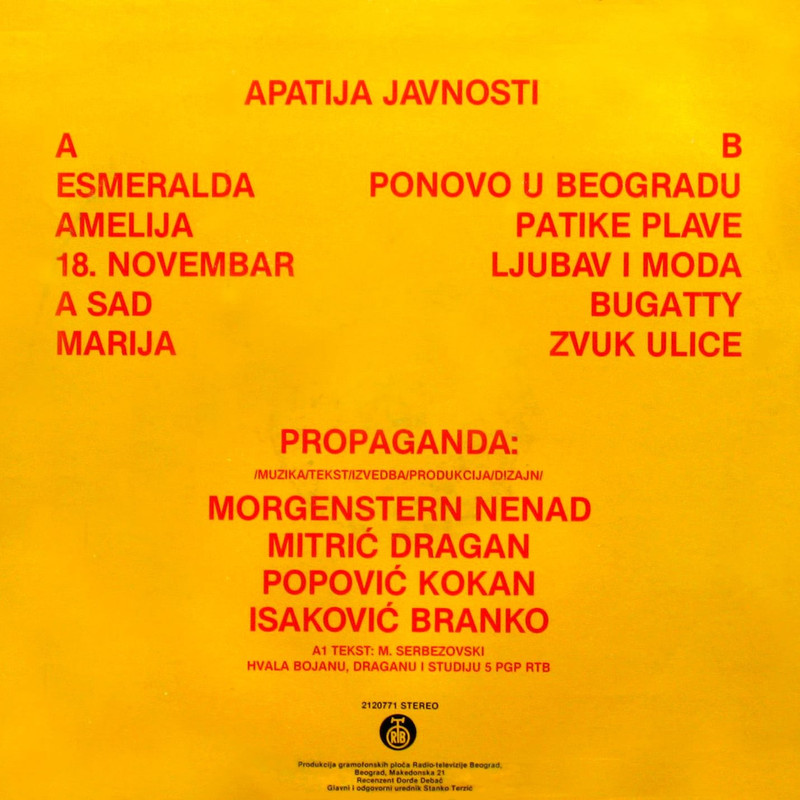
PROPAGANDA - Apatija javnosti (1982)


PROPAGANDA was a former Yugoslav new wave band from Beograd, consisting of former Zvuk Ulice and Bulevar members. The band released only one album "Apatija javnosti", and disbanded.

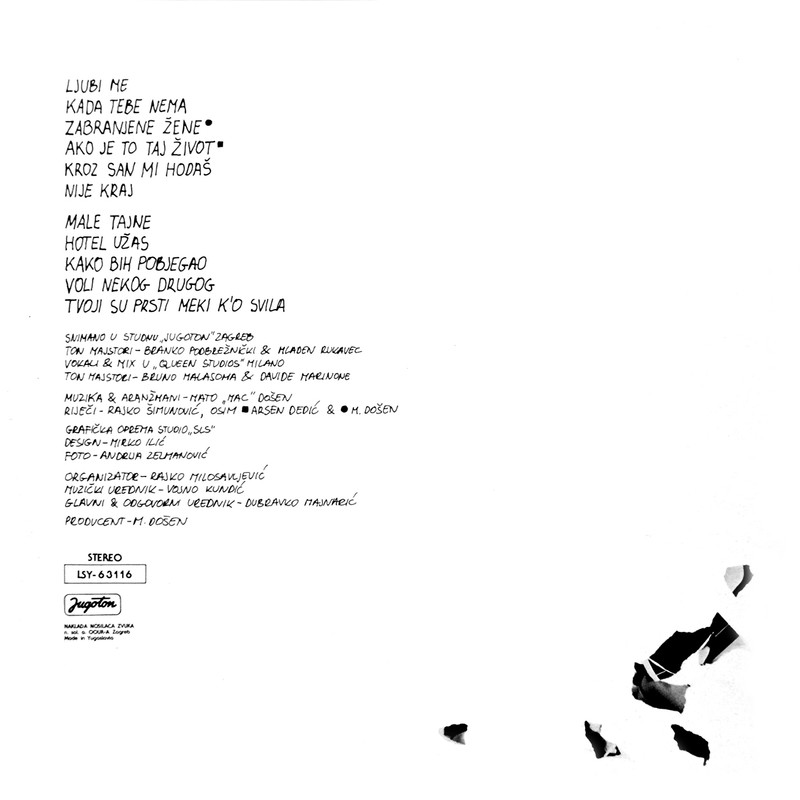
MATO DOŠEN - Zabranjene žene (1981)


MATO DOŠEN (Zagreb, 1953 - Zagreb, 2010) Croatian multi-instrumentalist, music producer, songwriter, singer and arranger, member of the bands "Hobo" and "Izazov". He gained great fame with his work during the 1980s, when he became one of the leading producers in Croatia. He collaborated with the most famous names on the Croatian pop scene, among which the most important are: Neda Ukraden, Mišo Kovač, the group "Magazin", Ljiljana Nikolovska, Tomislav Ivčić, Daniel Popović, and it was Došen who gave the final argument to many of the biggest hits of the Croatian and Yugoslav discography with his arrangement for success. (from wikipedia)

nedjelja, 3. rujna 2023.

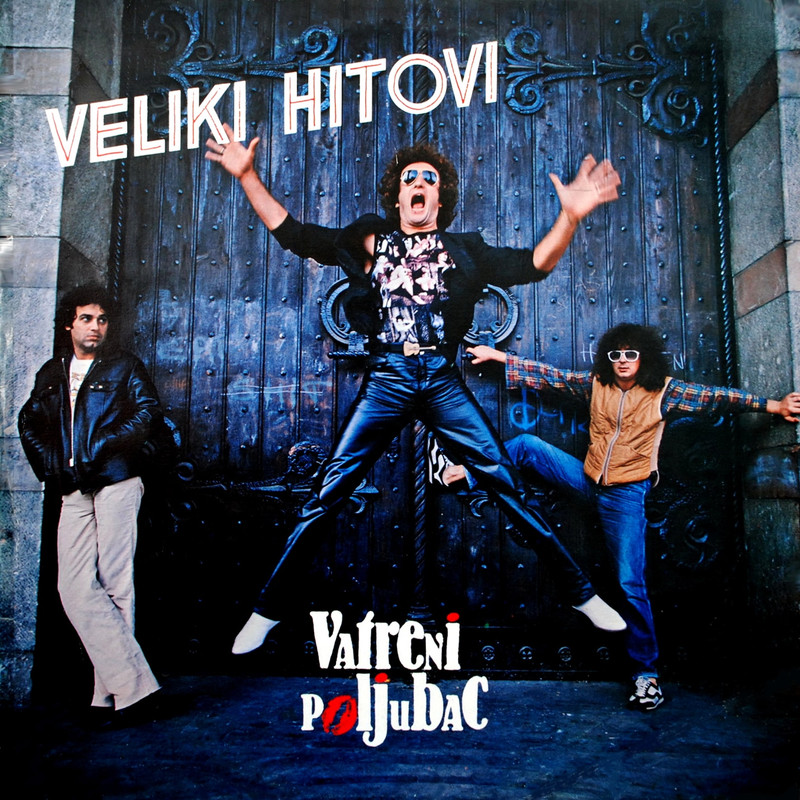
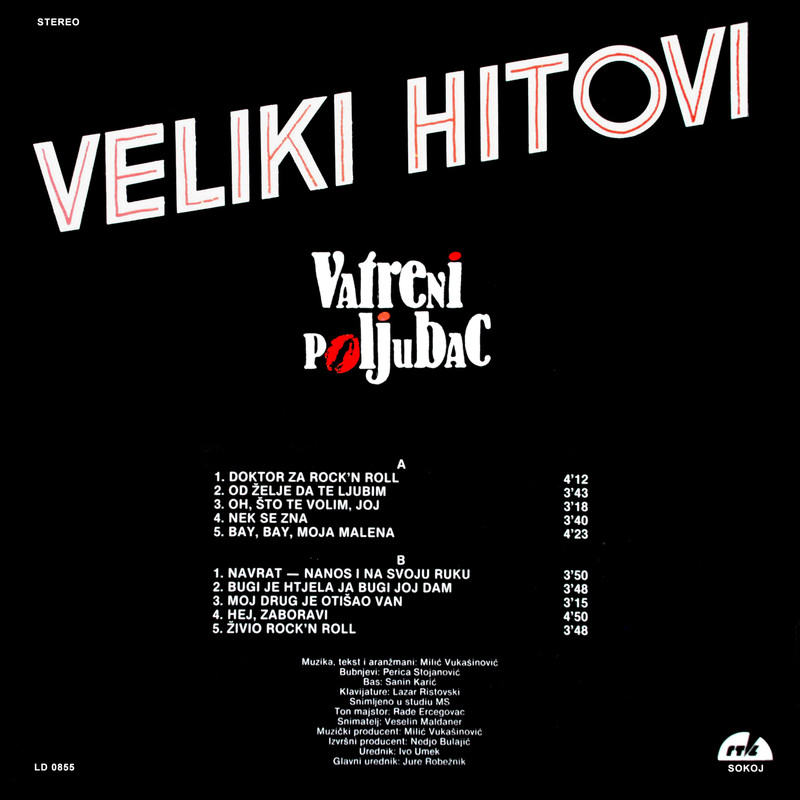
VATRENI POLJUBAC - Oh, što te volim, joj! (1978)


VATRENI POLJUBAC was formed in 1977, in Sarajevo (Bosnia and Herzegovina), by Milić Vukašinović (songwriter, drummer, guitar player and singer). After recording nine studio albums between 1977 and 1986, Vukašinović disbanded the group choosing to pursue a solo career, recording five albums. This is their first album from 1978.

VATRENI POLJUBAC - 100% Rock'n'roll (1986)


VATRENI POLJUBAC seventh album from 1986.